


In the middle of tax season, another dimension of real estate ownership deserves attention: its potential to offset active income from a W2 or 1099. Beyond appreciation and income, real estate can serve as a strategic tax planning tool. A lesser-known IRS designation called real estate professional status, or REPS, allows qualifying individuals to treat rental real estate losses as non-passive. When structured properly and in consultation with a tax advisor, those losses may be used to offset active income, potentially lowering a household’s overall tax burden.
To qualify, an individual or their spouse must materially participate in real property trades or businesses. These activities can include development, redevelopment, construction, reconstruction, acquisition, conversion, rental, operation, management, leasing or brokerage. Under current IRS rules, if one spouse meets the participation requirements and the couple files jointly, the tax benefits can apply to the household’s combined income. A new report in Business Insider illustrated how a married couple leveraged this designation. One spouse earned substantial W2 income in a professional field, while the other was actively involved in a real estate-related trade. Because they filed jointly and met the material participation tests, they were able to use losses from their real estate holdings to offset a portion of the higher-earning spouse’s active income. For many dual-income families, especially entrepreneurs and professionals in South Florida, this structure can transform real estate from a passive investment into a more dynamic financial planning strategy.
In Miami, the value of homeownership resonates even more strongly. Buyers who entered the market in prior cycles have seen meaningful appreciation, reinforcing how ownership can build both equity and optionality. At the same time, elevated prices and limited supply have made access to attainable new homes increasingly important for residents who want to participate in the city’s long-term growth.
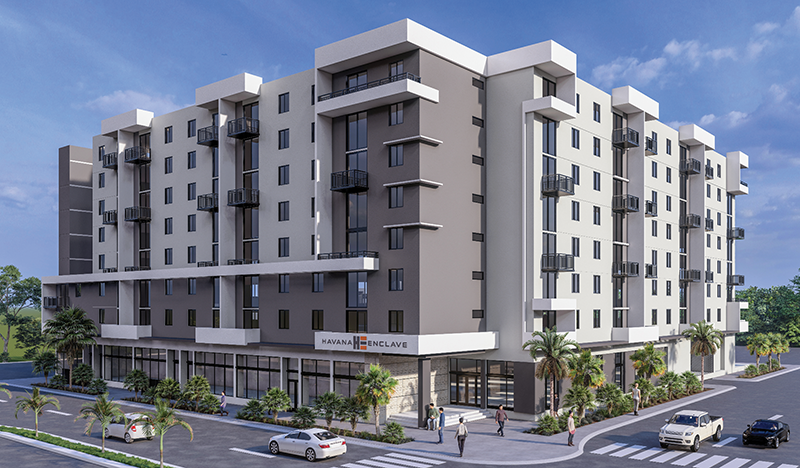
That is where Havana Enclave enters the conversation with a compelling alternative.
Designed as an attainable residential community on Unity Blvd, a corridor quickly emerging as the future Enclave of Little Havana, Havana Enclave symbolizes an opportunity for Miami residents to secure a piece of the city’s future. It demonstrates that attainability can be achieved without sacrificing quality, design or connectivity. For buyers exploring how ownership fits into a broader financial strategy, including long-term tax positioning, entering the market with a thoughtfully designed residence can be a meaningful first step.
As always, individuals should consult with qualified tax professionals to determine eligibility and understand how these strategies may apply to their specific circumstances.
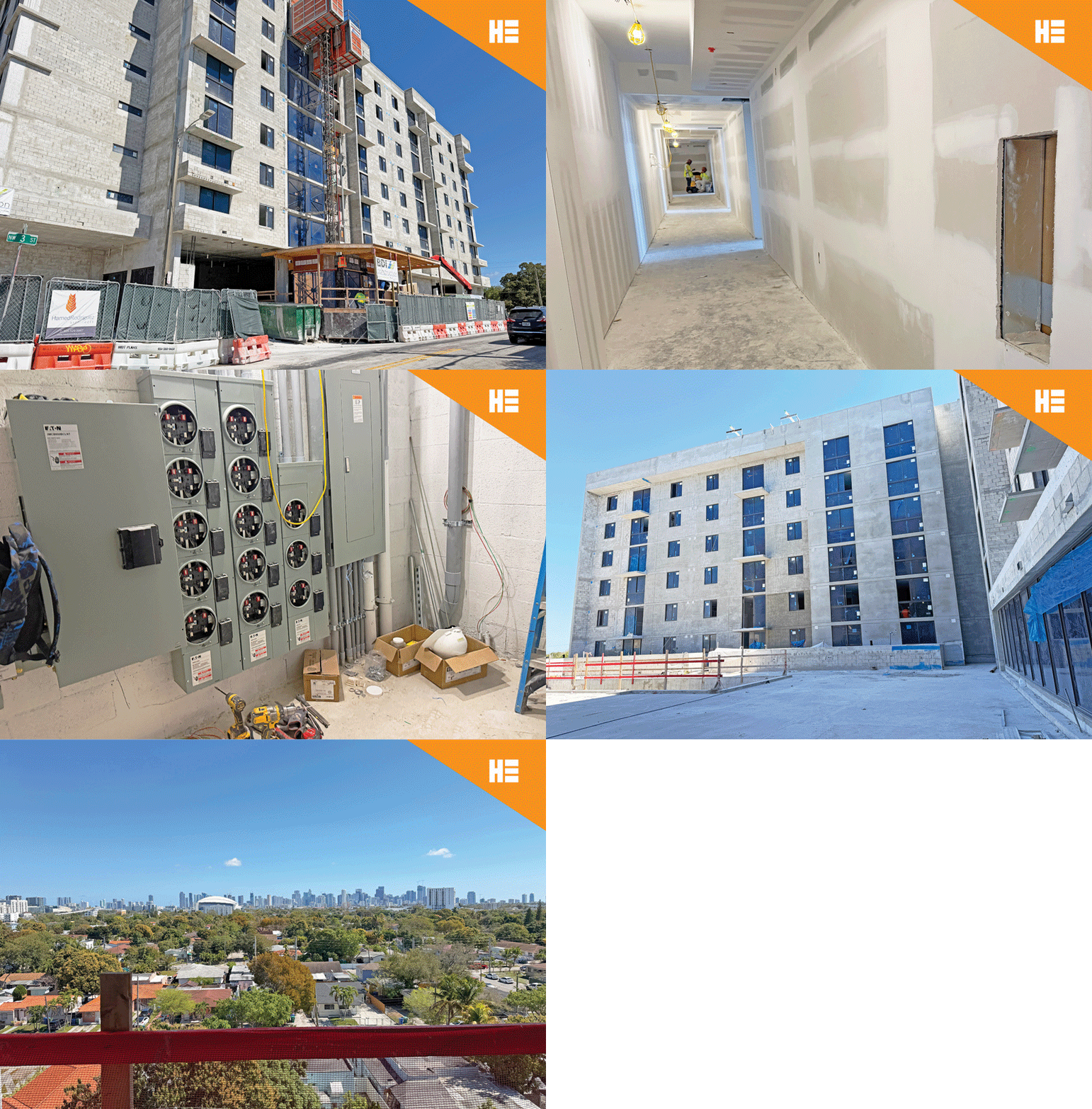
Elsewhere in Little Havana, Astor continues to make incredible progress on the construction of Havana Enclave as it moves closer to completion this summer. Havana Enclave reflects Astor’s commitment to meet Miami’s housing needs and help the city it calls home reach its full potential.
Havana Enclave General Contractor BDI Construction continues to install meter rooms on all floors of the 179-unit building. Sheetrock work has been completed in the second-floor hallways. This follows the
completion of all ground-floor window installations and the commencement of utility line installation (natural gas/water/sewer) around the building.
Astor and the Havana Enclave team look forward to officially opening the building later this year! For more information about the project, visit blog.havanaenclave.com or email info@astor.com.